[center]
Total Quality Management Tqm: Quality Control & Improvement
Published 1/2026
MP4 | Video: h264, 1920x1080 | Audio: AAC, 44.1 KHz, 2 Ch
Language: English | Duration: 1h 57m | Size: 1.5 GB [/center]
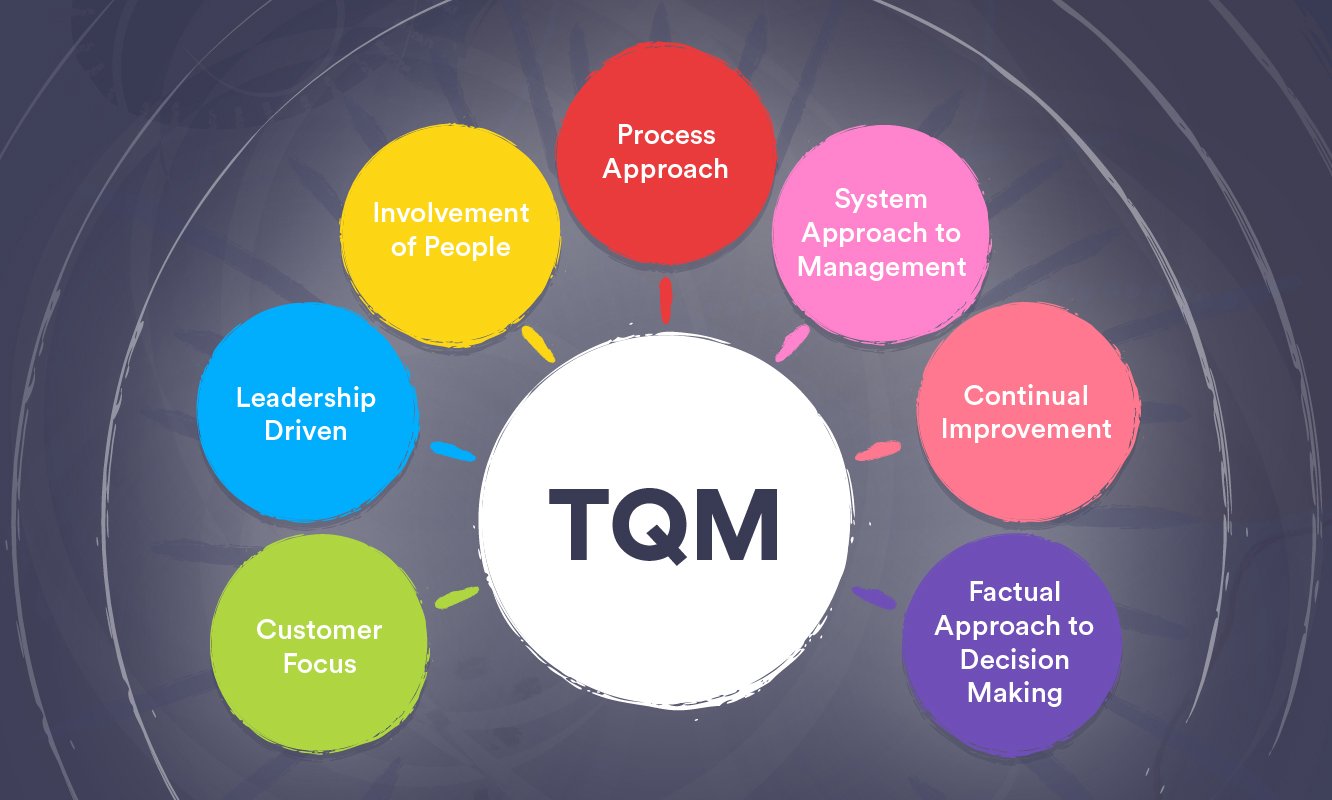
Total Quality Management (TQM): Systems, Control, and Continuous Quality Improvement
What you'll learn
Understand the core principles and structure of Total Quality Management (TQM)
Explain how quality management systems support governance and compliance
Interpret statistical quality control concepts and quality measurement data
Apply structured improvement logic to process and performance challenges
Recognize the role of Lean thinking in improving quality and flow
Understand design-in quality and basic reliability concepts
Requirements
No prior knowledge or experience needed. Anyone interested in the topic can enroll in this course to enhance their knowledge.
Description
Please Note: This course contains the use of artificial intelligence.Total Quality Management (TQM) is a structured approach to building quality into every part of an organization rather than inspecting it at the end. In today's competitive and data-driven business environment, organizations cannot rely on isolated quality checks or reactive fixes. Quality must be designed, governed, measured, and improved across leadership, processes, people, and supply chains. This course explains how TQM evolved from traditional quality control into a company-wide management philosophy that connects strategy, operations, and customer value. Learners will understand how quality management systems support consistency, reduce variation, and strengthen trust with customers, regulators, and stakeholders.Did You Know:Poor quality costs US businesses an estimated 15-20% of annual revenue, according to industry studiesOrganizations using structured quality systems report up to 30% reduction in defects and reworkQuality management roles in the US are projected to grow steadily with salaries above national averagesThe course begins by establishing the foundations of TQM, including quality principles, leadership responsibility, and the shift from defect detection to prevention. It then moves into quality management systems and governance, showing how standards, policies, audits, and documentation create structure and accountability. Statistical quality control and measurement system analysis are introduced to explain how data is used to monitor processes, detect variation, and support informed decision-making. Learners will see how structured improvement methods and experimental approaches help organizations improve performance in a disciplined way.Finally, the course addresses the human and organizational side of quality, covering workforce engagement, service quality, and supplier performance. By the end, learners will understand how Total Quality Management (TQM) supports operational stability, continuous improvement, and sustainable business growth across industries.
Who this course is for
Quality professionals seeking system-level knowledge of Total Quality Management (TQM)
Operations and process managers responsible for performance and consistency
Engineers and analysts involved in quality measurement and improvement
Supply chain and service leaders focused on reliability and customer outcomes


